Blog
Writing, thinking and debating about how data and AI can be made to work for people and society
Explore the Ada blog
Filter by:
The role of the arts and humanities in thinking about artificial intelligence (AI)
Reclaiming a broad and foundational understanding of ethics in the AI domain, with radical implications for the re-ordering of social power

Turning distrust in data sharing into ‘engage, deliberate, decide’
Five lessons from the GP Data for Planning and Research scheme (GPDPR)
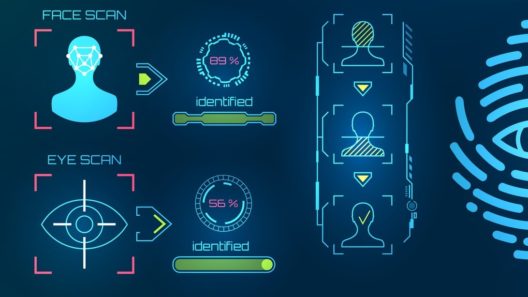
What we talk about when we talk about biometrics
The first of a three-part exploration of biometric technologies, looking at how we define biometric data, categorise its uses and conceive of its risk

How charting public perspectives can show the way to unlocking the benefits of location data
A review of existing research on public attitudes towards location data and related ethical considerations

Standardised access: the tension between scale and fit
Disability-led access as a lens to rethink the meaning and potential of responsible technology

Networking with care part 1: Mapping ‘justice’
JUST AI aims to integrate and reflect on the many layers and different qualities of map-making, mapping and relationship construction
JUST AI – Prototyping ethical futures for data and AI
Taking a creative, humanities-led approach to questions of AI ethics
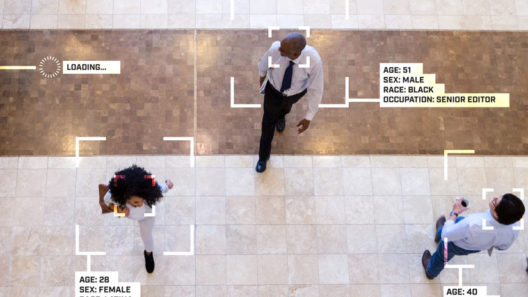
How does structural racism impact on data and AI?
Why we need to acknowledge that structural racism is a fundamental driver and cause of the data divide

Containing the canary in the AI coalmine – the EU’s efforts to regulate biometrics
Exploring the gaps and risks relating to biometrics in the EU's draft AI regulation

Why PETs (privacy-enhancing technologies) may not always be our friends
How privacy-enhancing technologies can exacerbate rather than ameliorate technology and data governance concerns
Disambiguating data stewardship
Why what we mean by ‘stewarding data’ matters

Why the COVID-19 shielded patient list might both compound and address inequalities
Wicked problems in the use of data-driven systems