
Can algorithms ever make the grade?
The failure of the A-level algorithm highlights the need for a more transparent, accountable and inclusive process in the deployment of algorithms.

UK contact tracing apps: the view from Northern Ireland and Scotland
What can we learn about successful approaches to COVID-19 technologies from the devolved nations of the UK?
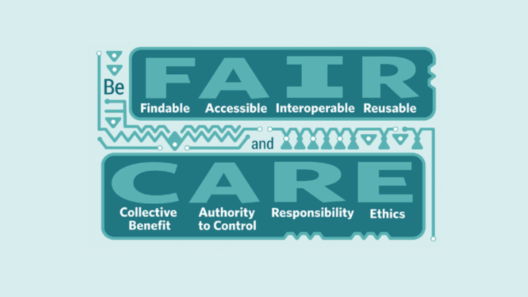
Working with the CARE principles: operationalising Indigenous data governance
Shifting the focus of data governance from consultation to values-based relationships to promote equitable Indigenous participation in data processes.

Technical methods for regulatory inspection of algorithmic systems
A survey of auditing methods for use in regulatory inspections of online harms in social media platforms

Foundation models in the public sector
AI foundation models are integrated into commonly used applications and are used informally in the public sector

Participatory and inclusive data stewardship
A landscape review

Meaningful transparency and (in)visible algorithms
Can transparency bring accountability to public-sector algorithmic decision-making (ADM) systems?

Is the goal of antitrust enforcement a competitive digital economy or a different digital ecosystem?
Antitrust ferment and opportunity in digital markets

Living online: the long-term impact on wellbeing
The Ada Lovelace Institute and Health Foundation’s response to the House of Lords COVID-19 Committee’s call for evidence

The socio-technical challenges of designing and building a vaccine passport system
The fourth in a series of public evidence events on vaccine passports and COVID status apps.

Who gets to write the future?
Reimagining policymaking through an anti-racist and creative practice lens

From principles to practice: what next for algorithmic impact assessments?
We are convening experts from policy, industry, healthcare and AI ethics to discuss our recent case study and the future of AIAs.